
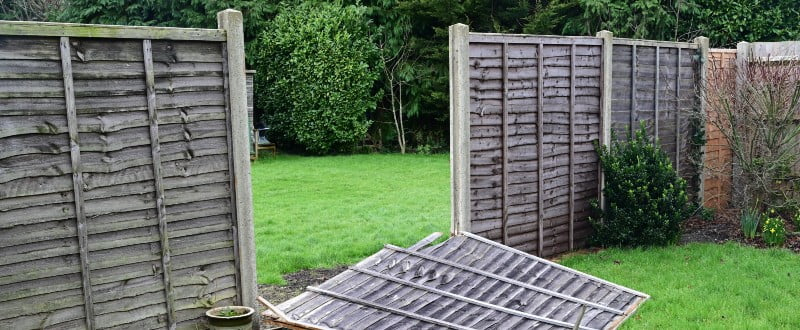
As winter sets in across Berkshire and the surrounding areas, fencing repairs become a priority for many homeowners who only notice their fencing when something goes wrong. Strong winds, heavy rain, frost, and waterlogged ground can quickly expose weak posts, rotten panels, and poorly installed fences.
If you’ve spotted leaning panels, loose posts, or storm damage, now is the ideal time to take action. Winter fencing repairs and installations aren’t just possible they’re often the smartest choice.
How Winter Weather Affects Your Fence
British winters are tough on fencing. Constant moisture, freezing temperatures, and high winds all take their toll.
Common winter fencing problems include:
- Fence posts becoming loose in soft or waterlogged ground
- Panels warping or collapsing in high winds
- Rot at ground level where moisture sits
- Gates dropping or no longer closing properly
If left untreated, these issues usually worsen and become more expensive to fix later.
Is Winter a Good Time to Install New Fencing?
Absolutely. In fact, many professional fencing contractors prefer winter installations.
Benefits of winter fencing work include:
- Faster scheduling due to lower demand
- Better visibility of ground conditions
- Stronger post installations when done correctly
- Avoiding emergency repairs during storms
When installed properly using quality materials and correct post-setting methods, fencing installed in winter is just as strong if not stronger than fencing installed in summer.
The Importance of Strong Fence Posts in Winter
Fence posts are the foundation of any fence. In winter, poor post installation is the main reason fences fail.
Professional installers will:
- Dig to the correct depth
- Use suitable post mix or concrete
- Mix materials properly for a stronger set
- Allow sufficient curing time, even in cold conditions
This ensures your fence can withstand winter storms and last for years to come.
Winter Fence Repairs vs Full Replacement
Not every fence needs replacing. A professional inspection can determine whether a repair will be sufficient or if a full replacement is more cost-effective long term.
Fence repair may be suitable if:
- Only one or two posts have failed
- Panels are still structurally sound
- Damage is localised
Fence replacement is often better if:
- Multiple posts are rotten or loose
- Panels are old and weathered
- The fence has failed repeatedly
Replacing a failing fence before spring prevents further damage and gives peace of mind during bad weather.
Popular Fencing Options for UK Homes
Some fencing styles perform particularly well in winter conditions:
- Closeboard fencing – strong and wind-resistant
- Concrete posts and gravel boards – excellent for longevity
- Properly braced timber gates – prevent sagging in wet weather
Choosing the right materials is just as important as the installation itself.
Don’t Wait for the Next Storm
Many homeowners delay fencing work until spring, but winter is often when fences fail completely, making fencing repairs essential before problems worsen. Acting early can save money, prevent damage to gardens or neighboring properties, and help avoid emergency call-outs during storms, especially during severe weather conditions highlighted by the UK Met Office.
If your fence is already showing signs of weakness, now is the time to address it.
Need Professional Fencing Advice?
Whether you need fence repairs, storm damage work, or a full fence replacement, getting expert advice ensures the job is done properly and built to last.
A strong fence should bring security and peace of mind especially during winter.